Bloody Script: A Typeface with Grit and Guts
A Font That Tells a Story Before a Word is Read
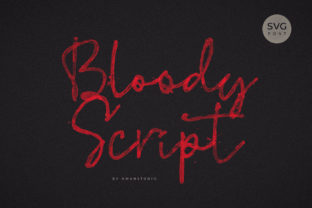
There are typefaces that whisper, and there are typefaces that scream. Bloody Script does the latter, but with a chilling, artistic whisper. It’s a script font that doesn’t just mimic handwriting; it embodies a visceral, textured presence. Imagine the elegant flow of a classic calligraphic stroke, but one that has been dragged through a gritty, atmospheric story. The defining characteristic is its integrated blood-like texture, which isn’t a simple overlay but a fundamental part of each glyph's construction. This gives the premium font a unique personality that is both haunting and incredibly compelling. It’s not just a set of letters; it’s a creative font that sets a scene.
The included regular script version offers a clean, yet still characterful, base for projects that need the stylistic flair without the intense texture. However, the true star is the SVG (Scalable Vector Graphics) version. This format preserves the complex, textured details of each letter at any size, ensuring the bloody, gritty effect remains crisp and impactful whether it’s on a massive poster or a small digital ad. For designers working in modern typography, this SVG capability is a game-changer, allowing for authentic, high-resolution texture without the pixelation that often plagues raster-based effects.
Where This Horror Font Finds Its Home
Practical application is where a typeface proves its worth. Bloody Script excels in projects that demand immediate emotional impact and a strong thematic anchor. Think beyond Halloween flyers. This is a tool for serious brand identity work in specific niches. A craft brewery specializing in dark stouts could use it for limited edition bottle labels. A independent author of thriller or horror novels would find it perfect for editorial design—from book covers to chapter headings. A podcast about true crime or mystery could develop a striking logo design and social media graphics that instantly communicate their genre.
Its utility spans both digital and print realms. In web design, it can be used sparingly for dramatic headlines on a landing page for a haunted attraction or a film festival. For packaging design, it adds a layer of artisanal, perhaps even rebellious, character to products like hot sauces, custom knives, or gothic-inspired jewelry. The key is intentionality. It’s a display font, not a body copy workhorse. Its power lies in its ability to function as a visual shorthand for a particular mood: suspense, edge, authenticity, and a touch of the macabre.
Making It Work: Practical Guidance for Designers and Creators
Choosing a creative font like this is a strategic decision. Start by evaluating your project’s core message. Does “edgy,” “artisanal,” or “darkly elegant” align with your goals? If so, Bloody Script is a contender. Next, consider your audience. This typeface will strongly resonate with adults who appreciate niche aesthetics, from fans of specific music and film genres to consumers of boutique, story-driven products.
The art of font pairing is critical here. Because Bloody Script is so expressive, it demands a quiet, stable partner. Pair it with a clean, geometric sans serif font for body text or secondary information. A simple, modern serif font could also work for a more traditional yet still dramatic look. Avoid pairing it with other ornate or handwritten font styles, as this will create visual chaos and destroy readability. The goal is to let the script headline command attention while the supporting type provides clarity.
Always test thoroughly. View the font in context with your other design assets. Check its readability at the intended sizes, especially for the textured SVG version on various screen backgrounds. If you’re using it for commercial purposes, ensure you understand the licensing. A quality commercial font will have clear licensing terms that cover your specific use case, whether for a client’s brand identity, merchandise, or digital products. By thoughtfully integrating Bloody Script, you’re not just adding a font; you’re injecting a powerful dose of atmosphere and personality into your project that can significantly enhance audience engagement and brand recognition.